Showing posts with label Opinion piece. Show all posts

Wednesday, March 1, 2017

Weekly recommendations part 2

Video games:
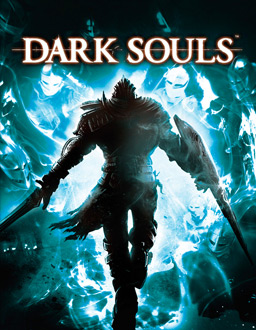
Dark Souls

I doubt that I need to introduce or explain the game to readers with the game's reputation in mind, so I will go ahead and state that I am enjoying this game. The lore and story is interesting, the gameplay is hard but fair, and above all else, the cathartic value of the game is immense. It helps that I am doing well with the game so far so I may be a little biased at this point.

Devil May Cry 4: SE

Firstly, I know this is not the cover for the Special Edition; this is for the original version. This one is a little harder for me to recommend since the game is essentially a re-release of DMC4 except with new characters (which to the developer's credit, actually play differently) and modes available. I would recommend it to fresh players (who may be intimidated by DMC3) or people with no access to DMC4 and want to replay it but otherwise, I would not recommend it.


Anime:
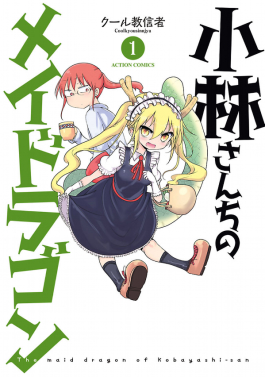
Miss Kobayashi's Dragon Maid

Yes, I am aware that the picture is that of a manga cover. As for the show, what little I have seen has been entertaining. While it does follow the trend of most anime these days, the humor reminds me of the kind of humour I have seen from classic KyoAni like Nichijou or the less moe-blob parts of K-On! So far, it is entertaining though nothing I would write home about.


Friday, January 6, 2017

Weekly recommendations

Since I will be quite busy for a while, I want to try out something different. Every week, I will list out shows/games I may recommend along with whatever comes to mind. If nothing comes up for recommendations, it means that I have not found anything to recommend. Without further ado...

Recommendations:
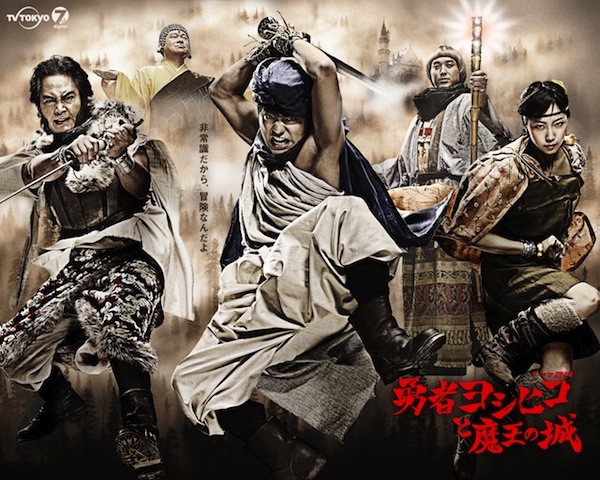
Yuusha Yoshihiko (all three seasons)

Touted as a low budget adventure, this live action TV series from Japan has been one of the most entertaining shows I have watched. The show is effectively an affectionate parody of JRPGs, specifically Dragon Quest and it shows. The number of times the show makes fun of classic JRPG tropes and cliches is appropriate. However aside from that, the show's humor is its greatest strength with every episode I have watched of the show's two seasons drew out hearty laughter. The humor is quite similar to that of Gintama which happens to be one of my favorite anime/manga. On that note, it would seem that the director of Yuusha Yoshihiko will be directing the Gintama live-action adaptation which gives me hope in the project as long as they use the same humor implemented here.

Back off the Buddha!

Games:

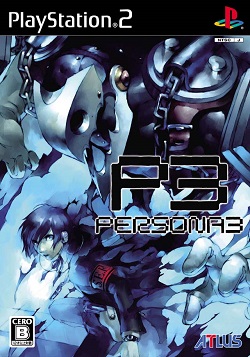
Persona 3 Fes - An updated, and rather old, re-release of Persona 3 by Atlus that happens to be the best version of the game (that I have played since I do not have a PSP and the visual novel approach to the daytime gameplay leaves much to be desired from me). If the reader does not have a Playstation 2 anymore (like me), an emulator will work too. ("Naughty, Mr Gate!")


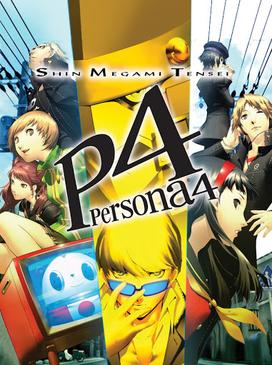
Persona 4 - I do not think I need to go into detail why this game is recommended. I mean, it is Persona 4, one of the last great PS2 games before the next-gen consoles came in. Go play it by any means possible (time travel is also an option if only to get a mint quality PS2).


Wolfenstein: The New Order - If the reader played Doom 2016 and enjoyed it (I definitely did), go check out Wolfenstein: TNO. The game, made by MachineGames, is another great FPS with surprisingly good writing implemented in it. I am enjoying my time with the game and I hope my brief recommendation can pique interest at least.

My games of 2016: (Write up with reasons for picking the games below will come later)
Best triple-A title: Doom
Best niche RPG title: Tyranny
Best DLC: Witcher 3 Blood & Wine
Best indie game: Stardew Valley (I have not gotten Darkest Dungeon yet)

Games I am looking forward to:
Persona 5
Torment: Tides of Numenera
Divinity: Original Sin 2
Cyberpunk 2077

Films:

Rogue One: A Star Wars Story - I liked it. It had some issues but I liked it a lot more than The Force Awakens so that must mean something. More on what I liked and disliked about it later.

Friday, December 9, 2016

No updates this week

I've been quite busy this week and have no time for posting anything relevant. I can post more VtM-B in the future but it would be more of the Sewers. I could also talk about Splinter Cell: Chaos Theory but that will require me to get some screen-caps for illustration so that will take me a while.


For now, I can highlight a show I can recommend to readers:
http://www.imdb.com/title/tt4623604/
The 2015 live action drama adaptation of Death Note. It is a pretty good adaptation of the show with enough changes in it to keep it fresh while being able to follow the source material well. One definite positive I can tout is the changes to Light as it makes him more relate-able and human while bringing up the idea of the Death Note's power corrupting him into a homidical monster a lot better. Massive props to Masataka Kubota for portraying the character of Light in such an amazing way.

Wednesday, June 1, 2016

The best quests of Witcher 3

http://i.imgur.com/8DLw7fG.jpg and https://www.reddit.com/r/witcher/
With Blood and Wine out, I have decided to compile a list of my favourite quests from The Gwenter 3: Card Hunt. Sorry, I meant to say (Writer's thoughts at the moment: "Skellige deck HYPE! OLAF CARD!!!") The Witcher 3: Wild Hunt. This was my triple-A GOTY of last year for having well-done writing, complex characters, amazing animations, a stellar soundtrack and for the effort put into the first expansion pack, Hearts of Stone. Some of my own thoughts and opinions for these quests will be stated and if these views do not match the readers... there's nothing I can do about them. I interpreted these things like that. So, of course there will be quests that left a stronger impression on me during the long hours spent running away from high level mobs and sliding down mountain slopes. 


SPOILER WARNING!!! THERE WILL BE SPOILERS


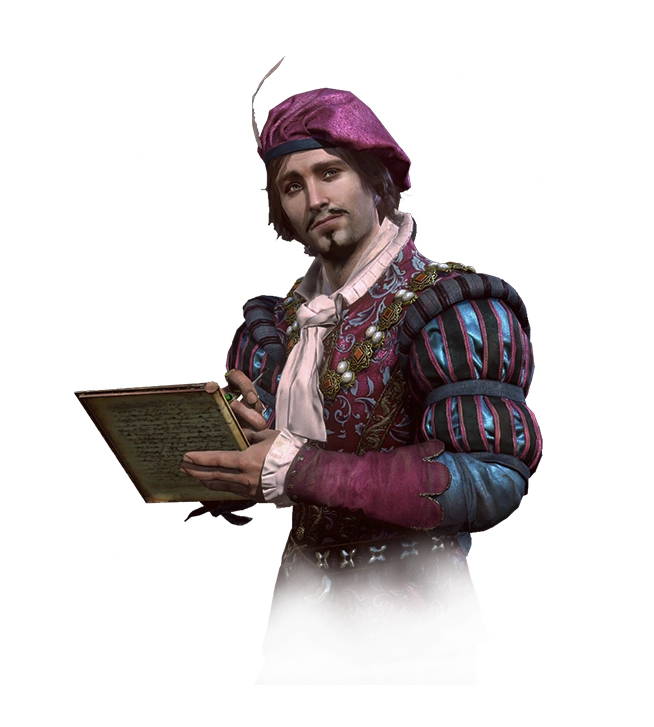
This quest initially starts out simple; local self-proclaimed Baron, Phillip Strenger, wants Geralt of Rivia to find his missing wife and daughter, Anna and Tamara. Since this is a medieval fantasy world with monsters roaming about and bandits pillaging the countryside, this seems like a simple search and rescue quest. The story however then shifts into a tragic tale involving domestic abuse and regret. The Baron is both a drunken abusive bastard of a man who should be condemned but still a man nonetheless by showing that he feels true remorse for his actions, acknowledging his role in his broken family. A scene that truly moved me was when he was reciting the prayer Geralt dictates for him to say as he lays the Botchling to rest. The voice-acting for this scene is the highlight of this scene as it conveys the man's genuine remorse as he tearfully recites what Geralt dictates and I am mature enough to admit that I may have felt my eyes water.
The quest goes deeper in exploring abuse in a family through the daughter and the wife. With the Baron's daughter Tamara, she points out how despite her father's care and tenderness around her, the knowledge of his physical battery of his wife served as a form of abuse on its own as she had to witness years of such abuse on her mother. As for Anna, the Baron's wife, she showcases how abuse does not just come from the man as her act of attempting to abandon Phillip, taking their child in the process, in the early years of their marriage for another man while Philip was out fighting in a war as a soldier (resulting in him murdering said man) instigates the first fracture of their marriage. Her repeated taunts and insults towards her husband despite his attempts at reconciliation leads to his own abuse as he found it easier to stop her unceasing insults with physical harm. Her hatred of her husband however leads to her desiring to abort a new child simply to spite him (as he expressed his hopes for the new child to fix their broken marriage) resulting in her seeking out the Crones of Crookback Bog to induce a miscarriage through magic that eventually comes to pass. From this, the player sees several aspects to the abuse in this family as neither party to the abuse were willing to resolve their problems and as a result of this, even the uninvolved Tamara is traumatised by the actions of her parent. While Anna's actions do not exonerate the Baron of his actions, it allows the player to understand him. As an in-game response sums it up, fault lies on both sides.
The other key idea of the quest is regret. As mentioned before, the Baron feels genuine remorse for all of his actions towards his family (even if the miscarriage had been his wife's fault). By being forced to acknowledge his guilt and feel regret, the Baron becomes a changed man. After tracking decisive leads to the missing women, Geralt is eventually informed that the Baron had stopped drinking and has become rather introspective for someone like him. The events have left their scars on the man and now seeks to be better than who he had been. His daughter, when discovered, refuses to believe this due to her own perceptions of her father while his wife is in no condition to consider anyone (due to being enslaved by the Crones). In one conclusion of this quest-line, the Baron is reunited with his wife and daughter but not only does his daughter refuse to recognize him, his wife had been driven insane through her time with the Crones. Here, the Baron's character arc comes full circle as he embarks on a journey to a medicine man with aforesaid wife to find a cure for her madness, swearing off drink during and after said journey is resolved while finally beginning the first steps towards reconciling with his daughter. The Baron from the initial stages of the quest may not have done such a thing but the Baron after his encounter with Dea does so without hesitation and with some form of tenderness towards his wife. This quest highlights how human these characters are and how the writing is able to acknowledge the grey aspects of morality through exploring such ideas in an interactive medium and delving deeper in exploring the act of abuse on a family. Every time I think about this game, this is the first quest that comes to mind as it seems much of the game's writing strength hinged on this particular quest-line.


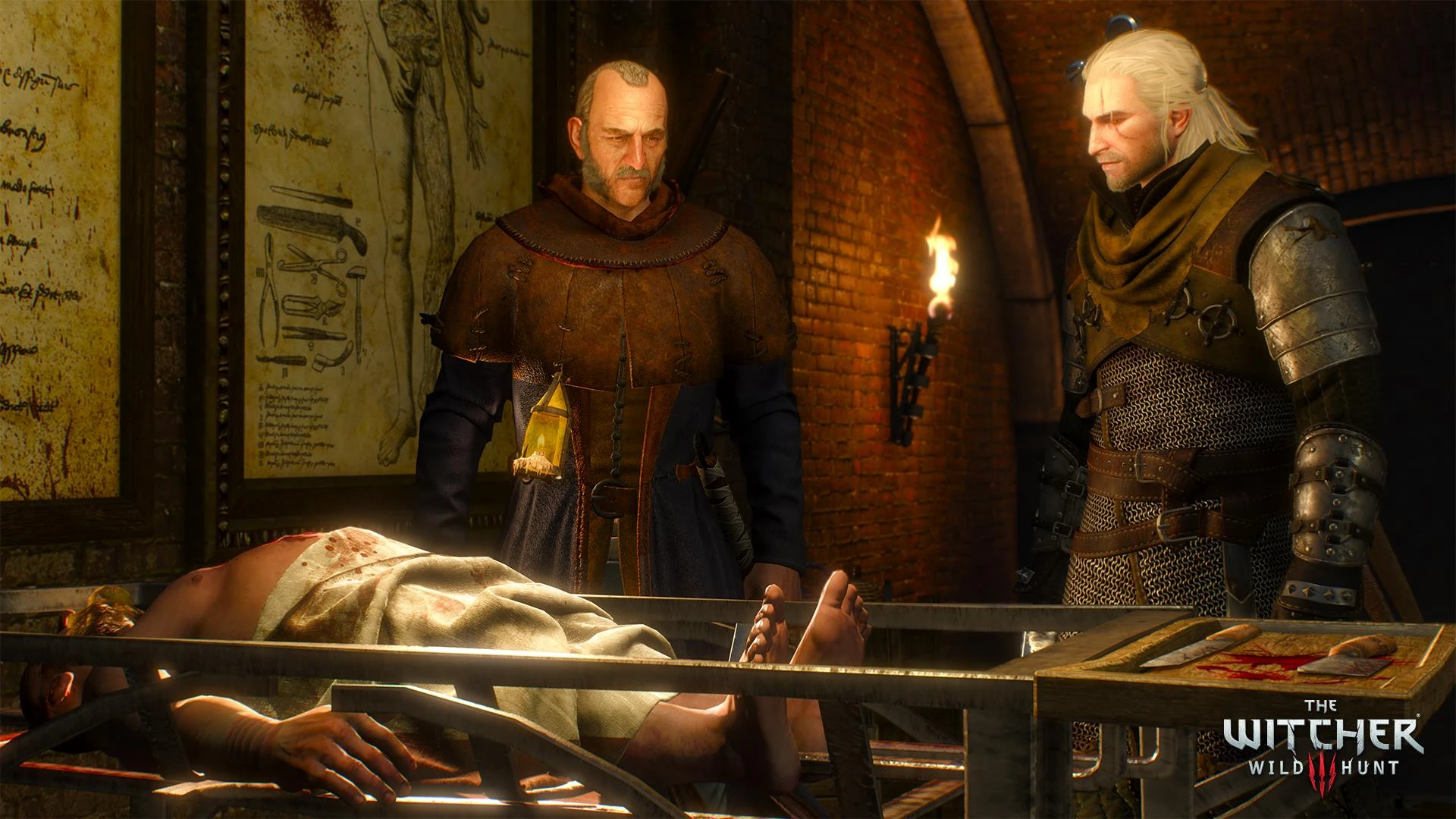
After rescuing the bard, Dandelion (a close friend of Geralt), he ropes Geralt into helping him set up his new cabaret with several schemes. Simple enough story; hi-jinks among friends, handling problems for the opening day etc. The twist comes immediately on opening day when the star of the show and Dandelion's current (and presumably permanent) lover, Priscilla, is attacked by a serial killer stalking the streets and barely escapes with her life. Filled with barely held-back rage and grief, Dandelion makes a simple request to his friend: find and kill the serial killer, a request Geralt is more than willing to undertake. The quest takes Geralt through investigating several leads and encountering additional parties involved in this case.
http://vignette3.wikia.nocookie.net/witcher/images/1/19/Tw3_promo_Carnal_Sins.jpg/revision/latest?cb=20160528101735
What I like about this case is how it was built up whereby the cheerful optimism of starting a new cabaret is suddenly shifted into a grim and horrific tragedy without too awkward a shift in tone. Due to prior events (and possibly previous games), the player would have developed some form of attachment to Priscilla and Dandelion which makes this tragedy more of a gut-punch. Dandelion, a typically cheerful, womanizing bard, hardens in rage and grief at the sight of his nearly-dead beloved and contrary to his personality before, makes a sincere request for Geralt to avenge his beloved. As a result of all this, this quest feels emotionally charged as Geralt begins his investigation to hunt down this foul being for justice and vengeance.
http://vignette3.wikia.nocookie.net/witcher/images/8/89/800px-Tw3_a_matter_of_life_and_death_4.jpg/revision/latest?cb=20150929180519
The other thing I like is how this quest is among the many quests in The Witcher 3 to require the player to think further into the mystery. The quest throws an obvious suspect at the player as the quest progresses which the player may take to be the killer but the observant player (or more likely, the one that has a back-up save file) may notice glaring clues that point to an unlikely suspect. The fact that the game allows for the player to miss such a solution is one I do appreciate as it reminds players to use their intuition and deductive reasoning rather than quest markers and journal hints. Doing so allows the player to hunt down the 'monster' responsible for the serial killings and bring them to justice. While the conclusion is rather underwhelming, I left the quest with good impressions (and the vindication of having a brain).


Hearts of Stone (Dead Man's Party, Scenes from a Marriage, Whatsoever a Man Soweth):
The first expansion pack to The Witcher 3 includes a plethora of quests. There are three quests in this DLC that I am rather fond of for the quality of the entertainment value, the atmosphere and the writing. 
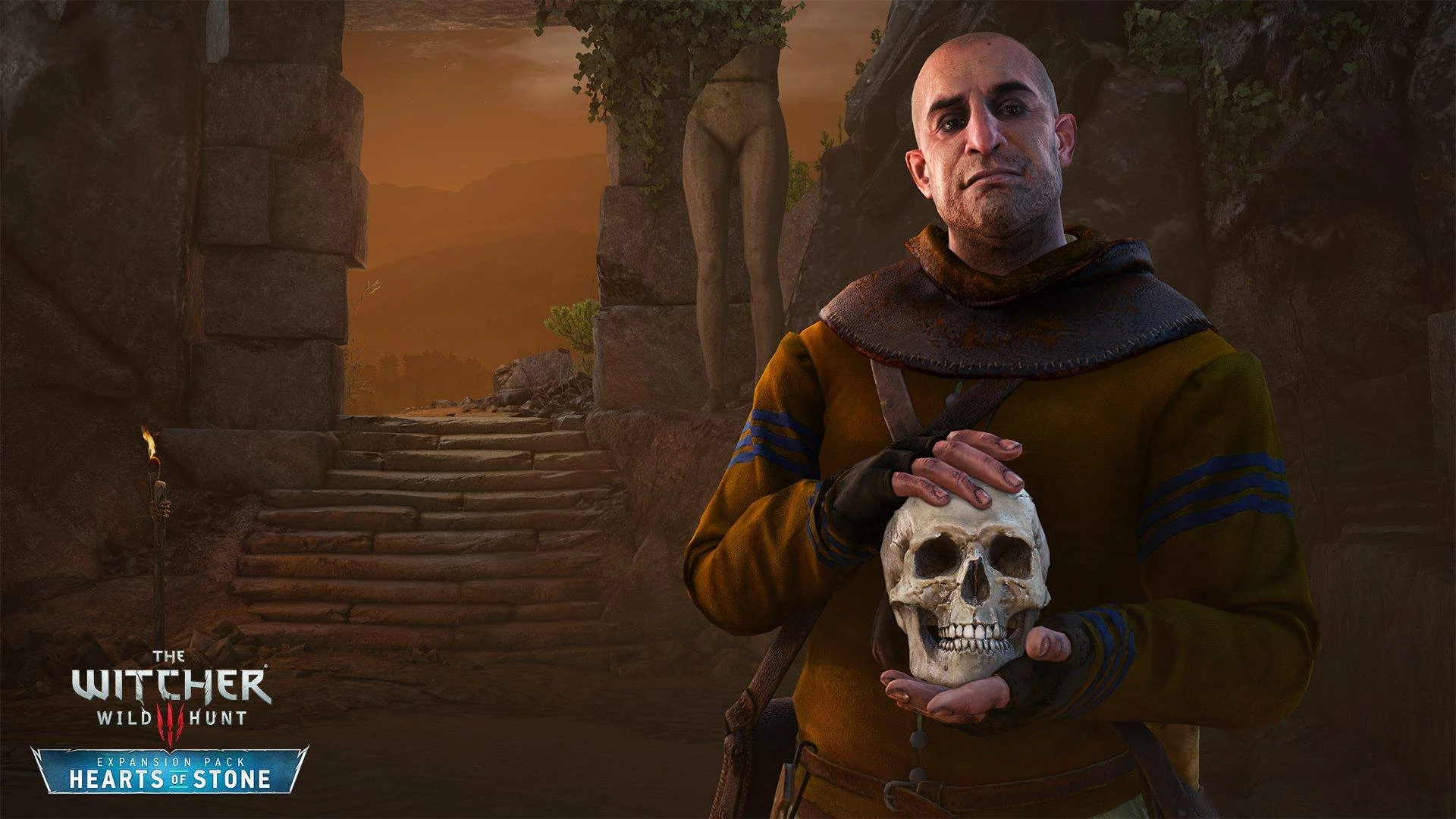
http://vignette3.wikia.nocookie.net/witcher/images/7/78/Hos-info.jpg/revision/latest?cb=20160520165516
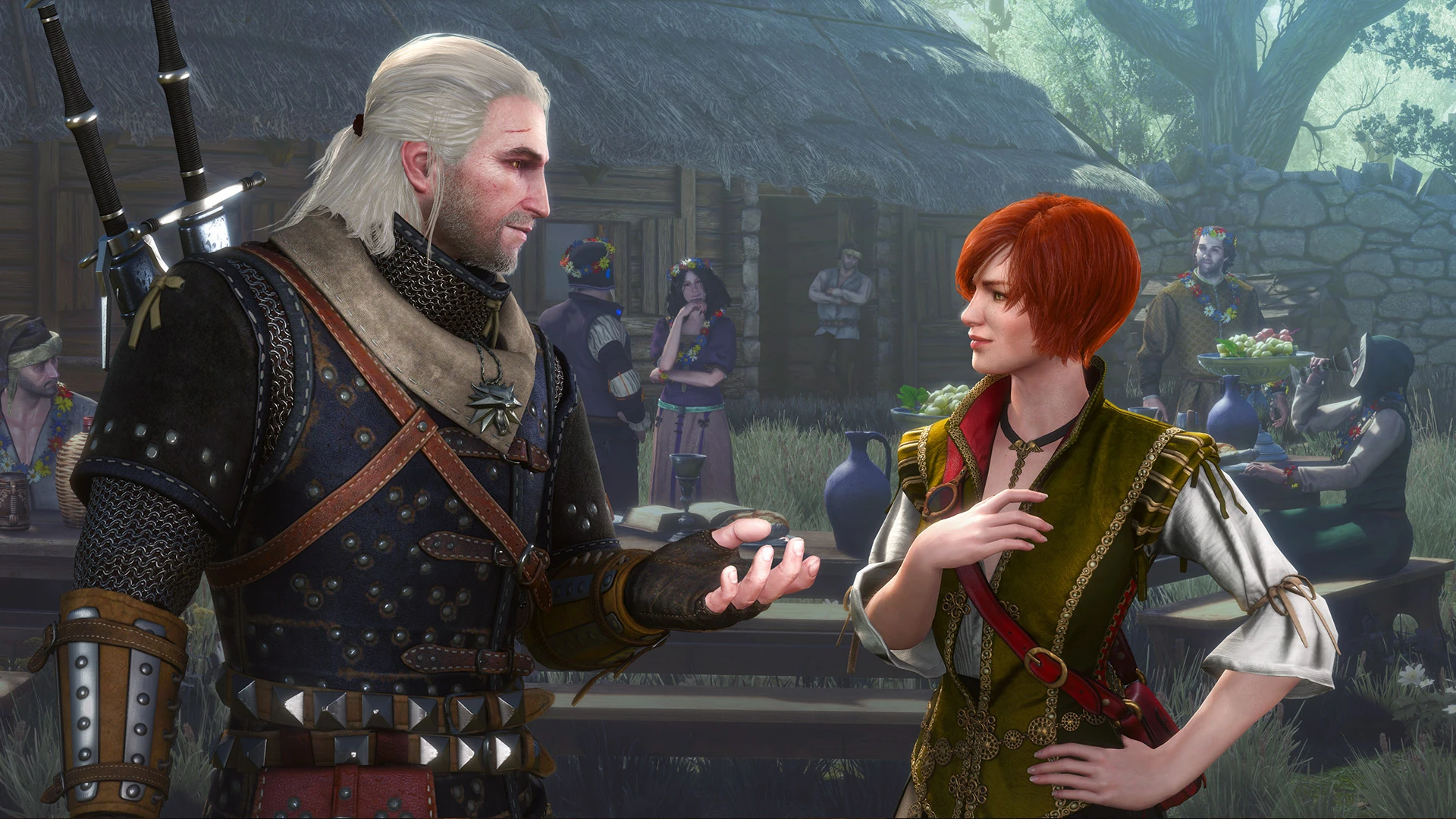
The first of these three is the quest, Dead Man's Party. In Hearts of Stone, the character, Olgierd von Everec makes Geralt, forced to act as a proxy of a being named Gaunter O'Dimm, grant three of his impossible wishes to settle a deal made by the former to the latter. One of these wishes is for Geralt to show Olgierd's brother, Vlodimir von Everec, a good time. The only problem is that he is dead. With Gaunter's help, Geralt is able to summon the ghost but remains intangible on account of being a ghost after all. Due to aforesaid ghost requiring a physical body to have aforesaid fun, Geralt ends up possessed voluntarily. What follows is a humorous quest as Vlodimir, possessing Geralt's body, attends a wedding accompanying Shani, an old friend of Geralt who is aware of said possession. Geralt's antics when possessed are simply hilarious to watch as he shamelessly flirts with Shani and the other female guests, innocently insults male peasants, potentially ends up wearing ass ears and generally makes a fool of himself in a quirky manner. Since the quest offers several activities of varying depth, possessed Geralt (and his voice actor) gets the opportunity to act out of character and have fun. The quest ends on a tragic note for Vlodimir however and leaves the couple in an awkward situation (Shani's history with Geralt being brought up once more). 
http://vignette4.wikia.nocookie.net/witcher/images/8/8f/Tw3_Scenes_from_Mariage.jpg/revision/latest?cb=20160520174314
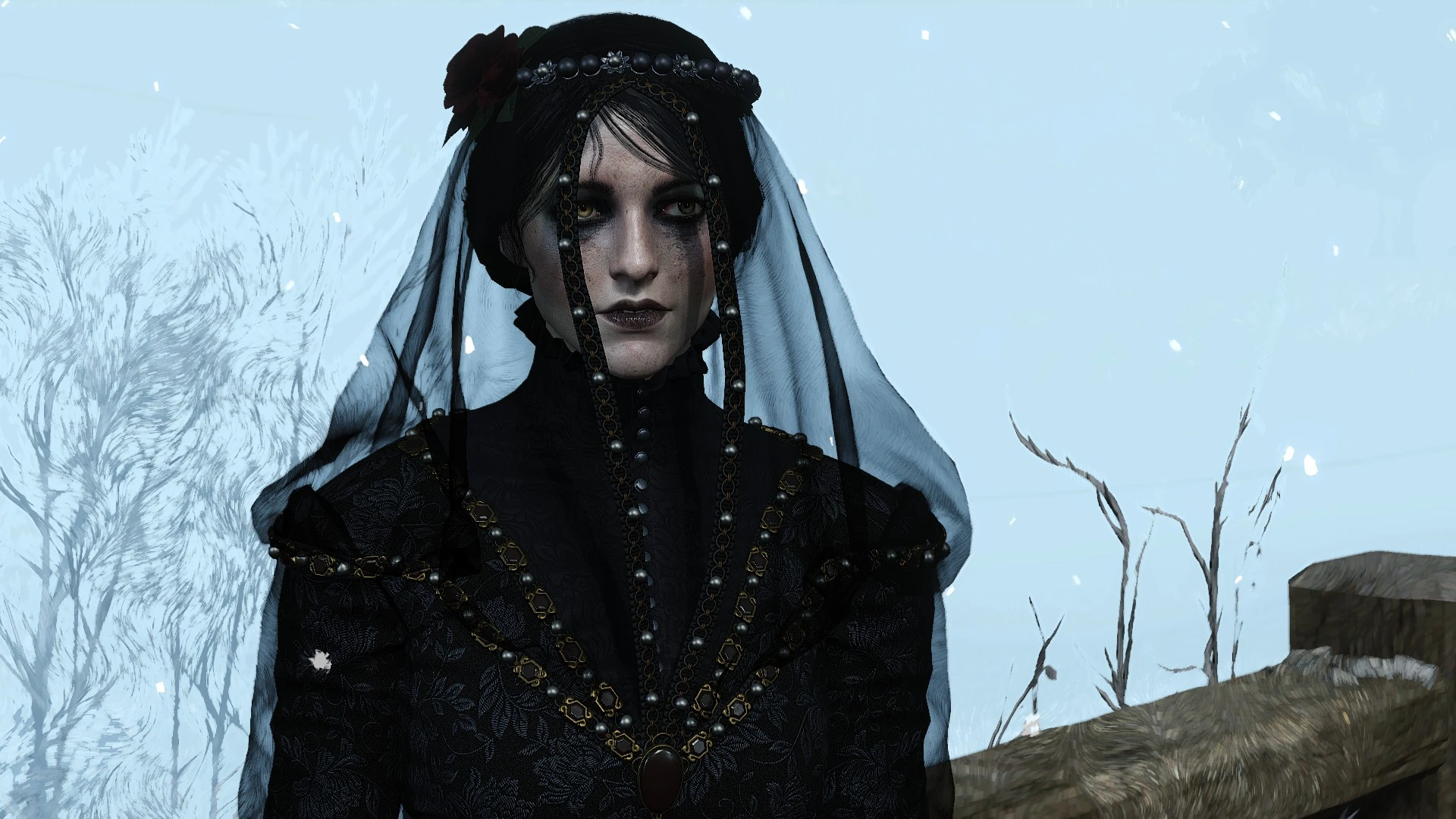
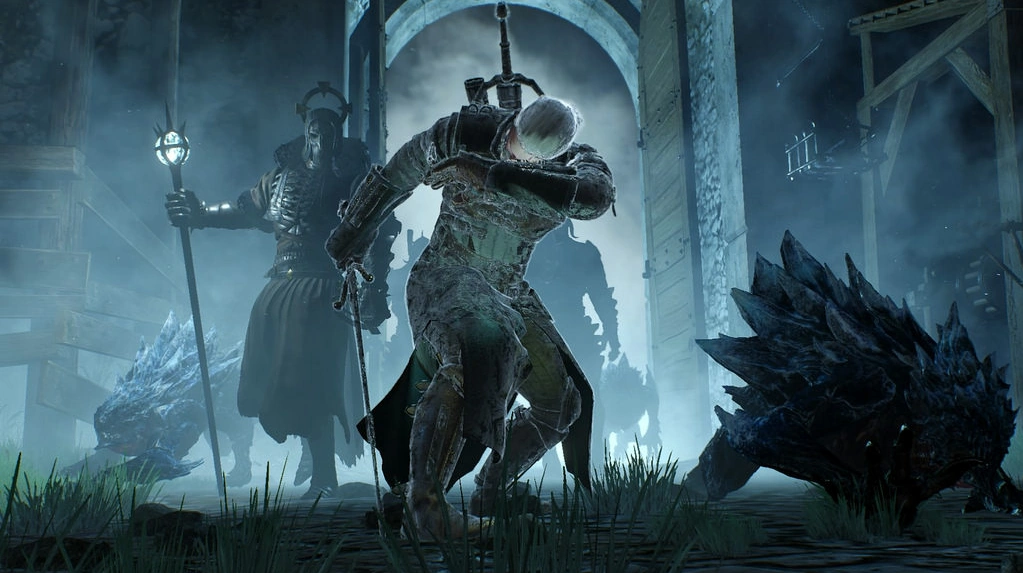
The next quest is Scenes from a Marriage. This request involves obtaining a violet rose that belonged to Olgierd's wife, Iris von Everec, who resides in the von Everec estate. As shown by the previous quest, the estate is experiencing a rather severe haunting. After a challenging boss fight, Geralt is able to enter the estate and discovers the effect of Olgierd's deal on his loved ones. The result of von Everec's deal left him with a heart of stone that only allows him to experience sensations at a superficial level, leaving him incapable of experiencing any sensation to its fullest. Entering deeper into the estate, Geralt witnesses the impact of having a heart of stone as the Olgierd captured in the memories of Iris is unable to truly feel the same love he felt for her before the deal was made and the inability to hold onto any emotions drives him to commit terrible acts to his wife and her family, culminating with him simply abandoning her to pursue newer sensations for his stone-heart. The atmosphere within the estate is creepy with enough shadows and decay to keep the player on their toes (unless the player does what I did and simply drink a Cat potion) and when Geralt enters the Painted World (made by the ghost of Iris that still haunts the estate), the art style shifts to reflect that with backgrounds seemingly painted (while interact-able areas remain in the normal style). This quest also features three rather challenging boss-fights with the Caretaker, the Wraith from the Painting and Iris' Greatest Fear having unique mechanics that require alteration of usual player tactics to accommodate for these fights (I personally found the Caretaker to be the more challenging of these three overall). In the end of the quest, Geralt is left with a difficult dilemma when Iris offers the rose: On one hand, taking the rose will release her from the Painted World but would cause Iris to cease to exist while the alternative allows her to continue existing but her imprisonment in the Painted World continues. This is one dilemma that got me to stand up and pace around the room thinking. In the end, I chose to take the rose to release her from this existence so that she may find peace in some afterlife or in oblivion.
http://vignette3.wikia.nocookie.net/witcher/images/d/d3/Hos-info-4.jpg/revision/latest?cb=20150927183047
The last of these quests is Whatsoever a Man Soweth. The quest seems simple enough at first; meet up with Olgierd to inform him about fulfilling his third request (the second unmentioned request involved a heist). However, Geralt encounters O'dimm who suggests a new meeting spot and while time is frozen at O'dimm's whims, he kills a man who interrupted him prior by sticking an entire spoon through his eye-socket. After that disturbing display of power and making the suggestion, an optional objective is also presented which is to follow-up on Shani's investigations into O'dimm. This next part is optional and players may skip this next bit but at the risk of some intriguing exposition. After entering the closed Oxenfurt Academy, Geralt finds Premethine Shakeslock, a professor who did extensive research into the entity that is Gaunter O'dimm. 
http://i.imgur.com/9kWgy4H.jpg and https://www.reddit.com/r/witcher/comments/3p4mev/spoiler_gaunter_odimm/
It is here where the player begins to glimpse at O'dimm's true nature as Shakeslock reveals O'dimm to be an ancient being of evil that wields tremendous power (if stopping time was not proof of that already) whose modus operandi is to trick people into making Faustian bargains he is able to twist in order to claim the souls of those foolish enough to try. This, along with several bits involving O'dimm, add an additional layer to O'dimm as an antagonist as he becomes more unique than the main game's antagonists while making him out to be the closest thing to the orthodox Devil in the Witcher universe with his recurring title being Evil Incarnate. As an antagonist, O'dimm winds up being more interesting to me that Eredin or Radovid through the mystery surrounding him, his true identity (along with its implications) and the game that is being played between him and Olgierd for the latter's soul with Geralt caught in between. After that revelation, the quest continues with the meet-up with Olgierd. Through clever re-interpretation of Olgierd's terms, O'dimm is able to trick Olgierd into fulfilling every condition of their agreement (both of them standing on the moon) to claim Olgierd's soul. 
From here, another decision arises: Allow O'dimm to claim Olgierd's soul or save Olgierd with the only proven method that allows one to best O'dimm, a game of wits. The latter is more interesting in my opinion and as a Witcher, Geralt usually opposes the greater evil. While Olgierd has done a lot of terrible deeds, almost all of those deeds can be traced back to his deal with O'dimm and the monkey's paw effect at work which is why I chose to help Olgierd. In the game of wits, O'dimm instructs Geralt to solve a rather simple riddle by finding the object of the riddle in a nightmare world of O'dimm's making. While the answer (a reflection) is simple, accessing the answer is not as O'dimm shatters every mirror Geralt finds in the nightmare world. It will take the player's wits (and optionally a hint from an earlier quest) to solve the riddle. Doing so allows Geralt to defeat O'dimm (for now) and frees Olgierd from his deal who is finally able to feel the weight of his actions again and accepts the need to atone for his crimes. While there are two conclusions to this quest, I prefer the conclusion with Olgierd freed of his heart of stone as it provides a more optimistic resolution to a story involving a Faustian bargain with Olgierd free to seek atonement for his crimes and for the feat of being able to defeat the equivalent of the Devil in a game of wits. The feeling of accomplishment for finishing this quest is only mired by the lack of a full epilogue but as a whole, it felt like a suitable conclusion to such a tale.


Where the Cat and the Wolf Play
http://vignette3.wikia.nocookie.net/witcher/images/6/6d/Tw3_Where_the_Cat_and_Wolf_play....jpg/revision/latest?cb=20160520121817
This is one quest added via the free DLC program ran prior to releasing Hearts of Stone. What starts out as a simple contract develops further when the village of Honorton, where said contract originated from, is found massacred. What follows is an investigation as Geralt attempts to figure out what had massacred the village. Eventually, Geralt learns that another witcher had performed the massacre and Geralt goes off to confront the witcher. Gaetan of the Witcher School of the Cat is the one responsible but as Geralt confronts the butcher, Gaetan reveals his own side of the story: That he had completed the contract for the village and that the ealdorman had attempted to pay the man less. After arguing, the ealdorman told him to go to the nearby barn where he claims a stash is kept. Upon entering however, Gaetan was ambushed by some of the villagers (with the ealdorman) and was nearly killed. In response, Gaetan slew the villagers in a frenzy save for a little girl, Millie who had informed Geralt of Gaetan's presence. This creates an interesting dilemma for Geralt and the player as they have to decide whether to kill Gaetan to avenge the villager and put down a dangerous individual or spare Gaetan due to the circumstances. In this quest, I chose to spare Gaetan acknowledging that Gaetan's frenzied slaying could be the result of the mental problems that the School of the Cat has been known to suffer from and that the villagers had started this mess. While Gaetan is still guilty of murder, he is not completely at fault (plus sparing his provides access to a decent steel sword at my level) and a witcher like Geralt would not make for a proper judge in this case. This interesting dilemma presented is another reason why I enjoyed this quest so much as some intuition and thought comes into play here. While short, the player will have to ponder and decide the appropriate outcome. The other bonus here is Millie's present if the player goes out of their way to help her and visits her later on which tugged at the old heartstrings upon seeing said present, making me feel like I did some real good in the world of the Witcher.


Contract: Skellige's Most Wanted
http://vignette4.wikia.nocookie.net/witcher/images/7/74/Tw3_Skellige_Most_Wanted.jpg/revision/latest?cb=20160409182856
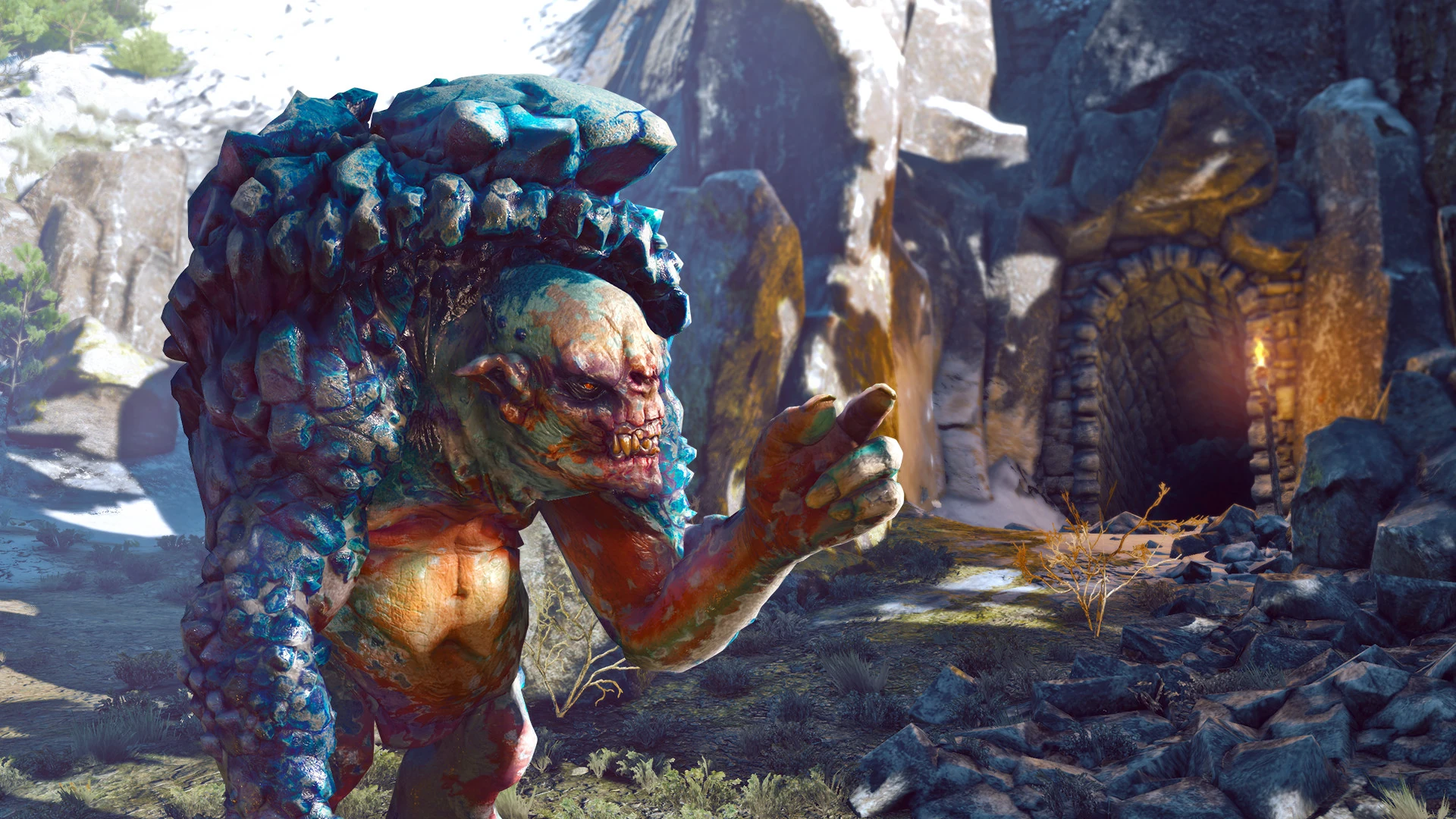
This is another one of the DLC quests. The quest starts out simple with the contract-giver asking Geralt to hunt some Nekkers. This quickly changes when a boulder almost crushes Geralt at the scene of the supposed Nekker attack. After following all the leads, Geralt is led into a clearing where a godling, a doppler, a troll and a werewolf lie waiting. The four sentient monsters have teamed up to deal with the witcher present. What makes this quest stand out for me is the fact that this quest takes into account all contract monsters that have been spared. Several witcher contracts may allow Geralt to spare a monster or allow it to stay in its chosen lair for several reasons (either out of sympathy, justifiable reasons or out of mercy) and it is this quest that takes these acts of mercy into account. By being able to spare these monsters, Geralt is able to prove to these monsters that witchers are not just monster hunters. The werewolf however does not buy this argument, having gone insane with rage due to his mate's death at the hands of another witcher resulting in a suicidal charge against a witcher. The godling in the end sums up the lesson of the story that man and monster are similar with some good, some bad and others simply lost. The conclusion is rather underwhelming for such a quest but I acknowledge it as it is one of those quests that takes decisions made into account (and I do have a soft spot for quests that recognize my decisions).

This particular quest is part of the main quest and takes place shortly after finding Cirilla Fiona Elen Riannon (or Ciri for short), Geralt's surrogate daughter (for lack of a better term). While the quest is a typical hold-the-line quest in an old fortress, what I do like about it is the amount of ways it can go down as a result of completing (or not completing) side-quests. Certain characters may not even be present if their side-quests are not done (with one in particular is of determinant status as a result of choices in Witcher 2) and having those characters present makes it easier to keep more people alive while opening up new options. As for the battle, it is tense and epic with the warriors of the Wild Hunt outnumbering skilled fighters and mages who are only winning through experience and skill. The battle however is doomed to fail and comes at a heavy cost for the witchers from the school of the Wolf as Vesemir sacrifices himself to prevent himself from being used as a hostage of the Wild Hunt to capture Ciri. The way the battle is resolved is rather underwhelming after such a battle but then again, there was no real way to resolve the battle with the defenders of Kaer Morhen beating the Wild Hunt backed with magic. As a climax, it was alright but once again, it is a quest that acknowledges in-game actions and that is why I place it on my list.

No Place Like Home
http://vignette1.wikia.nocookie.net/witcher/images/2/28/Prima_Guide_No_place_like_home.png/revision/latest?cb=20160331193233
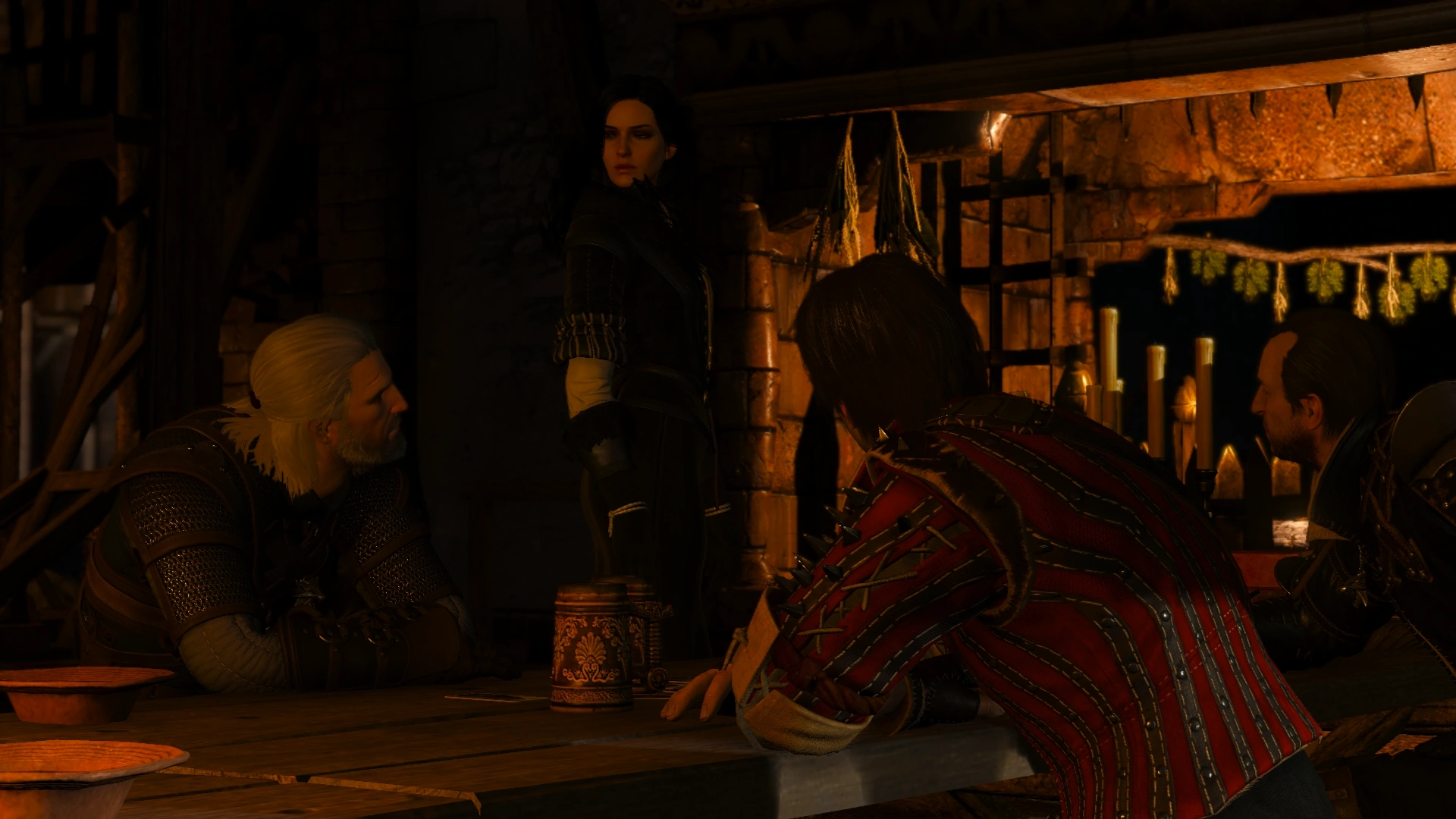
Taking place before the Battle of Kaer Morhen, this quest pops up as Geralt spends the night in Kaer Morhen, home of the Wolf School branch of witchers, with fellow witchers, Eskel and Lambert. Since Vesemir had taken UMA (Ugliest Man Alive and a relevant plot device) to the mountains to try more traditional means of lifting the latter's curse, Geralt and the rest have some free time. What follows (if Yen is romanced, there are differences) is a hangover-like quest as the three witchers get drunk off a special cocktail that is as potent as an entire bottle of undiluted whiskey to a normal person. Seeing a character as serious and stoic as Geralt getting sloshed is entertaining (and part of the reason why I liked Dead Man's Party).  Highlights include their slurred attempts at finding a missing Eskel and their attempts to work Yennefer's megascope while wearing her dresses to call for more sorceresses. This particularly entertaining quest comes before one of the more harsher quests with UMA being subjected to the Trial of the Grasses (an excruciating procedure) and the rest of the main quest, making it a decent tension-relieving quest which is often needed in a good story to prevent the story from being too much about angst. It comes at the right time as after this quest there are not as many funny moments than there are heart-wrenching moments. Speaking of which...

Isle of Mists (the ending in particular)
http://vignette4.wikia.nocookie.net/witcher/images/a/a3/Tw3_isle_of_mists_meeting.jpg/revision/latest?cb=20160403110038
The Isle of Mists is the quest where Geralt finally locates Ciri, taking place before the Battle of Kaer Morhen. While the quest is a basic exploration quest with an escort, the end of this quest is a heart-wrenching climax with the in-game animation and soundtrack at their finest. The cutscene after the dwarves hiding in the hut reveal that Ciri appears to be dead is one of the finest bits of animation I have seen in a game of this size. The lack of dialogue allows for Geralt's body language to communicate his trepidation and fear at the possibility of Ciri's death. Upon discovering her seemingly dead, the body language (through the animation) is able to communicate brief rage before disappointment, sorrow and grief as he slumps onto her bed. The way Geralt holds the lifeless Ciri in his arms amidst silent sobs portrays immense grief on Geralt's part and the music keeps the mood down. Only when the wisp used to guide Geralt to the Isle of Mists enters Ciri does the music shift as the two are finally reunited properly in each others' arms. That cutscene is one of the best cutscenes I have seen in games due to the way that the body language and soundtrack worked together to tell the story for that moment. It does not set mood through mouthy monologues or songs with unneeded vocals but simply used the body language of the characters and vocal-less music to convey the mood in that moment, telling the story from there (I do admit that the woman wail at the end is harder to listen to on repeated watches).

SPOILER OVER

That is all for my list. I am aware that opinions are different but these are mine. The reader is free to leave a comment to voice their own favourite quest from Witcher 3, any other Witcher game or even other games in general.
Thursday, May 26, 2016

The Problems of Fate/stay night

https://upload.wikimedia.org/wikipedia/en/d/d4/Fate-stay_night.jpg
With some free time at hand and with the Fate/Kaleid Prisma Ilya Drei anime on the way (the serious route of Prisma Ilya), I have decided to write up this bit on the problems associated with the Fate/Stay Night visual novel (the recent UBW (Unlimited Blade Works) anime has its own issues but the reader may simply read my piece on that subject: http://subjectivelybiasedrants.blogspot.com/2015/06/fate-stay-night-unlimited-blade-works.html). Some of these gripes have carried over to the anime which may contribute to some of its failings and may be repeats of issues I brought up but the point still stands. The points I raise may already have an official explanation from Kinoko Nasu (writer of the visual novel) or Type-Moon but I will not be referring to them so that I can speculate and opine more so those fans with greater knowledge of the series will have to excuse my lack of sage knowledge on the Nasuverse. Without further ado, go Team Fanboys!
  1. The excessive slice of life segments.Before proceeding, it must be acknowledged that Fate/Stay Night was originally intended to be an eroge. While Kinoko Nasu did his best to ensure that the eroge aspects are not frequent (though these aspects are rather infamous), the point still stands. The first sign of Fate’s eroge origins lies with the slice of life segments scattered throughout the visual novel. While certain signature battles and scenes are more prominently mentioned whenever Fate is involved, these moments only appear after what may seem to be a tedious amount of scenes dedicated to Shirou’s student life. Tense moments in the story are often end abruptly and are replaced by moments involving cooking. From what I can recall, Heaven’s Feel has the most of these slice of life segments that left me bored even if exposition is brought in. There is a reason why Shirou’s recurring gag in the series is his role as a chef to everyone else (or to be precise, Saber’s personal chef).
    https://i.imgur.com/OZOiKma.jpg and https://geekorner.wordpress.com/2014/10/13/fatestay-night-unlimited-blade-works-episode-1-heroes-versus-utilitarianism-fight/
    The slice of life bits however have a purpose which is to earn affection points (or raise flags with the girl of the route) to earn the True ending of each route. From what I recall, most of these segments simply exist in order to pick dialogue options that earn the most amount of affection points (Fate Route’s Bad End 13 comes to mind as a consequence for not earning enough points). As a result of needing to earn points for the true ending of a route, the game forces the reader to go through numerous slice of life segments to get a feel for the girl’s appeal like a typical eroge though unlike most eroges where the high number of points earns the best sex endings, Fate provides bittersweet, yet appropriate, endings. With the UBW anime, ufotable adapting this particular aspect of the visual novel baffles me as a viewer: Why is this rather pointless aspect of the visual novel being adapted instead of other aspects like expository monologues or proper clashing in the battles (rather than the frequent pauses to talk)? Defenders of the slice of life bits may counter my argument by saying that these bits allow for characterization or it balances out the darker aspects of the series.
    So I counter with this: Why are there so many slice of life bits then? I will concede that some slice of life bits do make sense like the early stages of each route where the Holy Grail War is starting off and the combatants are finding their footholds. As the war goes on though, the slice of life should begin to stop as the characters start preparing for the war while characterization appears through gestures, spoken dialogue, unspoken monologues and thoughts from differing perspectives along with unconscious motions. The gags may come out through black comedy or brief instances where there is a reprieve from the war which makes the gags appropriate but brief to not overstay their welcome. If gags were needed in the Fate series, these could be added in Hollow Ataraxia (sequel to the Fate/Stay Night visual novel). While there may be an official explanation on why the Fifth Holy Grail War was rather underwhelming; from a narrative standpoint, a war should not be filled with moments where the tension is underplayed and the character’s main concerns are what they would be cooking for dinner (incidentally I know that fried rice is an economical option for cooking). The fact that there is a war should impact the protagonists more mentally than simply being an inconvenience to them.

    http://i.imgur.com/H2LgLt0.jpg and
    https://www.reddit.com/r/fatestaynight/comments/2lpi93/oh_fatehollow_ataraxia_how_you_make_me_giggle/
    From all that is said, a future anime or movie adaptation based on the Fate series will have to slice down the slice of life bits from the adaptation (unless the aforesaid adaptation is a comedy series like Hollow Ataraxia or Carnival Phantasm, to which I say, slice of life galore!) while emphasizing more on the impact of the war on the characters that brings out the characterization from the character’s internal monologues. Something like that may allow Shirou to showcase the strategic mind he possesses (that the UBW anime, yes I will continue harping on the anime like an angel with Parkinson’s disease, conveniently left out thanks to Miura’s ‘brilliant’ decision-making) and even show that Rin has layers beyond being a tsundere ace of all trades (nothing on Ciel or Aoko when it comes to magic though).
  2. The sex scenes (and the attempts to censor these scenes)
    As mentioned before, Fate is an eroge which means that there are sex scenes. Nasu is skilled enough in writing to be able to create a coherent multiverse containing differing timelines yet having a set amount of rules and notions that makes said multiverse unique and perfect for setting up games in. This skill however evaporates upon reaching the sex scenes he had to describe in the visual novel which already have a flimsy excuse for engaging in them (mana transfer via bodily liquids if the reader can believe that).

    http://i2.kym-cdn.com/photos/images/original/000/676/265/7ff.jpg and
     http://knowyourmeme.com/memes/jam-it-in-you-lost-me/photos
    My immediate thoughts on reaching these moments (in the uncensored version of the visual novel are as follows): Interesting illustrations, that is definitely an illustrated woman’s body, jam it in indeed, oh right there is text here and blank… since at that point, I was physically cringing at the writing.
    http://forums.animesuki.com/archive/index.php/t-31098.html
    The problem does not lie here but in adapting these scenes. To ensure that the Fate anime can be adapted and so that future visual novel readers do not cringe at the sex scenes, the sex scenes are replaced with Mana (or was it Prana) transfer rituals often dubbed as Dragon, Dolphin or Worms respectively (I will not bother explaining the names). The problem with these replacement scenes are the inevitable arguments on distilling an adaptation (or not adapting the source material fully), how ridiculous the transfer seems and the visuals used to illustrate these scenes. These scenes, from a narrative standpoint, hurt the tension being built during the point of time where these scenes finally appear (save for one route where the scenes only serve to badly characterize a particular character). Regardless of whether it is sex or ritual involved, these scenes hurt Fate more often than not whenever it comes time to adapt them since the rising tension or foreboding mood is often broken by sudden sex or cringe-worthy CGI representations of mana entering from one orifice to another.
    My solution to this is simply have the sex or rituals occur more often. Now that the reader has lifted their jaw or cleaned their screen from the inevitable spit-take, I will elaborate on why. See, these rituals seem to be quick emergency methods of transferring mana to depleted Servants that only costs dignity so why not bring up the transfer method early on as a mean to fix Saber’s declining prana as a result of Shirou. For these earlier instances, sex can simply be replaced by quicker but briefer rituals at intervals to showcase applicability and highlighting the desperation of Shirou’s situation to resort to less dignified methods. This may sound goofy (and it does but so do the sex scenes in Fate) but it does justify the presence of the mana transfer methods (less for sex and more for the rituals). The main downside for this is that Saber will probably be the more prominent heroine though the reduced mana cost via sleep probably fixes the frequency of mana transfer (though I can think of a way to justify frequent mana transfer rituals for Rin’s route while the sex scenes in Sakura’s route are simply stuck at being basic sex for the sake of being ‘dark’). I have no methods of fixing the sex as a transfer method but with the ritual, I can at least suggest at least to showcase its repeated usage to show it as a plausible method. Does this fix this problem? I doubt it, my fix would only fix it superficially.

    https://upload.wikimedia.org/wikipedia/commons/thumb/7/70/Censored_rubber_stamp.svg/2000px-Censored_rubber_stamp.svg.png
    In a nutshell, the sex scenes and their methods to censor them are an additional problem from Fate’s origins as an eroge. It is highly unlikely there are any ways to fix this but it is possible that there is no need to fix them since it does keep the dirty secondary peasants from tainting the glorious Fate master race.
  3.  Exposition from every route is mandatory for enjoymentThis is something I brought up in my piece on the UBW anime and like I said there, this is a problem from the VN. To truly experience Fate at its fullest, it is mandatory to play through all the routes in order to figure out plot-points, to handle characterization and to understand the ideas explored by the visual novel.
    http://vignette1.wikia.nocookie.net/typemoon/images/4/41/Evilgrail.jpg/revision/latest?cb=20100730225215
    On plot points, I draw attention to the Holy Grail, Avalon and Servants. Playing through the Heaven’s Feel route is necessary to understand precisely why the so-called Holy Grail spills the mud capable of setting cities aflame and as Gil puts it in the UBW route, able to wipe out most of humanity. Without this understanding from the third route, one could misconstrue the Grail as being a “portal to Hell” or the Grail being an inherently evil thing since Angra Mainyu and the Grail ritual’s details are only revealed in the Heaven’s Feel route. Similarly, the significance of Avalon being inside Shirou appears initially in the Fate route explaining his endurance and unique magecraft in all the routes but not knowing about this will make people wonder how Shirou can take so much damage and re-create weapons with degraded quality (Avalon changing Shirou’s element to Blade, Avalon knits his wounds with a layer of blades (a double-edged method though) and the Unlimited Blade Works). On Servants, playing through each route winds up being the only way to fill in the database to provide details on their true identities, their fighting styles and their flaws. When it comes to Servants, their motivations and drives only becomes clear when playing the route that reveals their identities. For instance, one would not actually care about Caster (in the Fate route, she is simply killed off to showcase how powerful Gilgamesh is) or Assassin (who does not directly appear in the Fate route and simply dies in the Heaven’s Feel route) had they not played through the UBW route that reveals their motivations. Similarly, Lancer’s inability to fight in the prologue is not properly explained unless the reader goes through the UBW route. This highlights a problem in the visual novel which is that it requires cumulative knowledge from each route to comprehend plot points. A good story should not require a glossary to understand plot points and necessary exposition should not be left out simply because said exposition was already present in the previous route.
    http://vignette2.wikia.nocookie.net/typemoon/images/3/3f/Ilya.png/revision/latest?cb=20141022200313
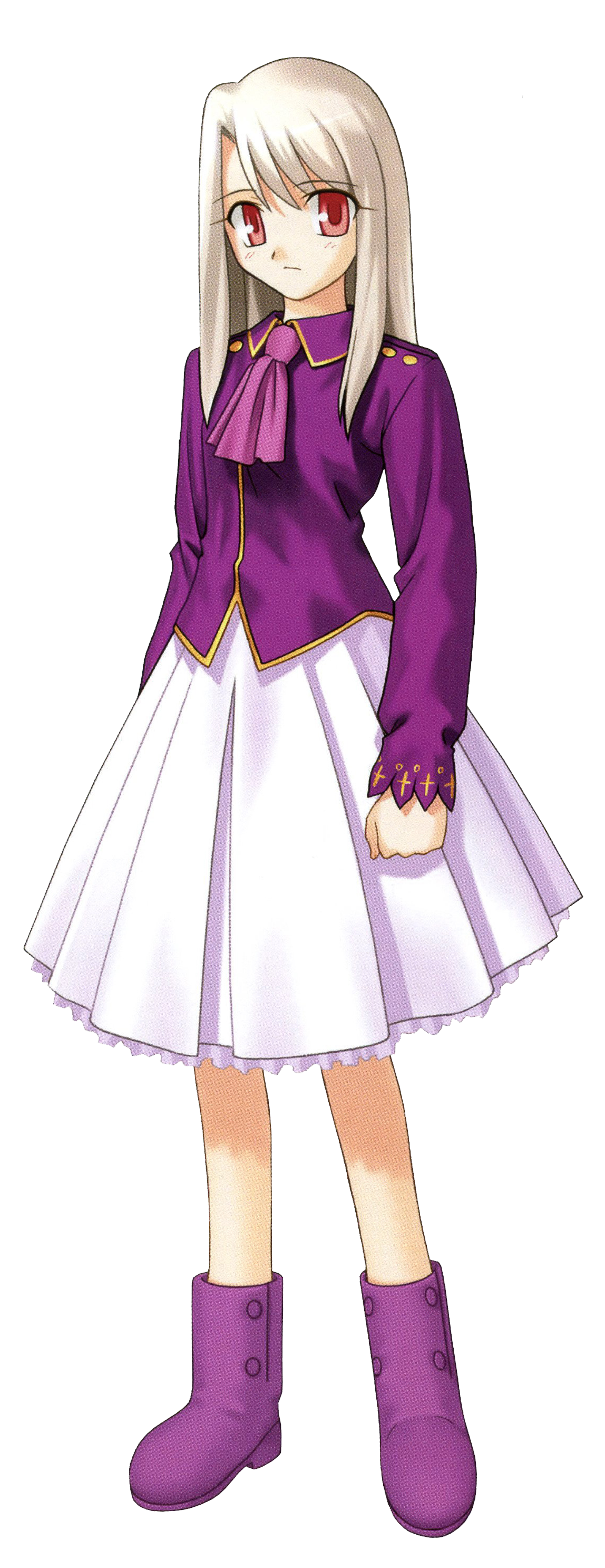
    As for characterization, I will once again rely on Ilya while including Shirou and Kotomine. Just from the UBW route alone, all that is known about Ilya is that: she looks like a little girl, owns an uber-masculine powerhouse of a Servant (Berserker), seems to pander to people with specific tastes, psychotically homicidal at times and dies gruesomely. From Fate route alone, more of the child aspect is portrayed to the reader and a more lovable impression of Ilya emerges once she is properly disciplined. As for Heaven’s Feel, Ilya gains the most amount of characterisation as she is able to act her age (or rather biological age) as she shows more wisdom on her part, more concern for her sibling through adoption and ultimately (in the True Ending) gets to fulfil her true role as an older sister to said sibling. As a result of this, Ilya will feel underdeveloped if only one route is adapted as several aspects of her character will be left out leaving her story to end in an unsatisfactory manner especially without knowing these traits. Her death in the UBW route only has greater impact as a result of going through the Fate route and seeing her human side while the impact of her sacrifice in the Heaven’s Feel route would be lessened without the accumulated amount of characterisation she gets from the prior two route (though credit where it is due, there are a lot of Ilya scenes in Heaven’s Feel to create an attachment to her which made it easier to “Save Ilya” when the time came).
    http://vignette2.wikia.nocookie.net/typemoon/images/c/c0/Emiya_shiro.png/revision/latest?cb=20151103200553

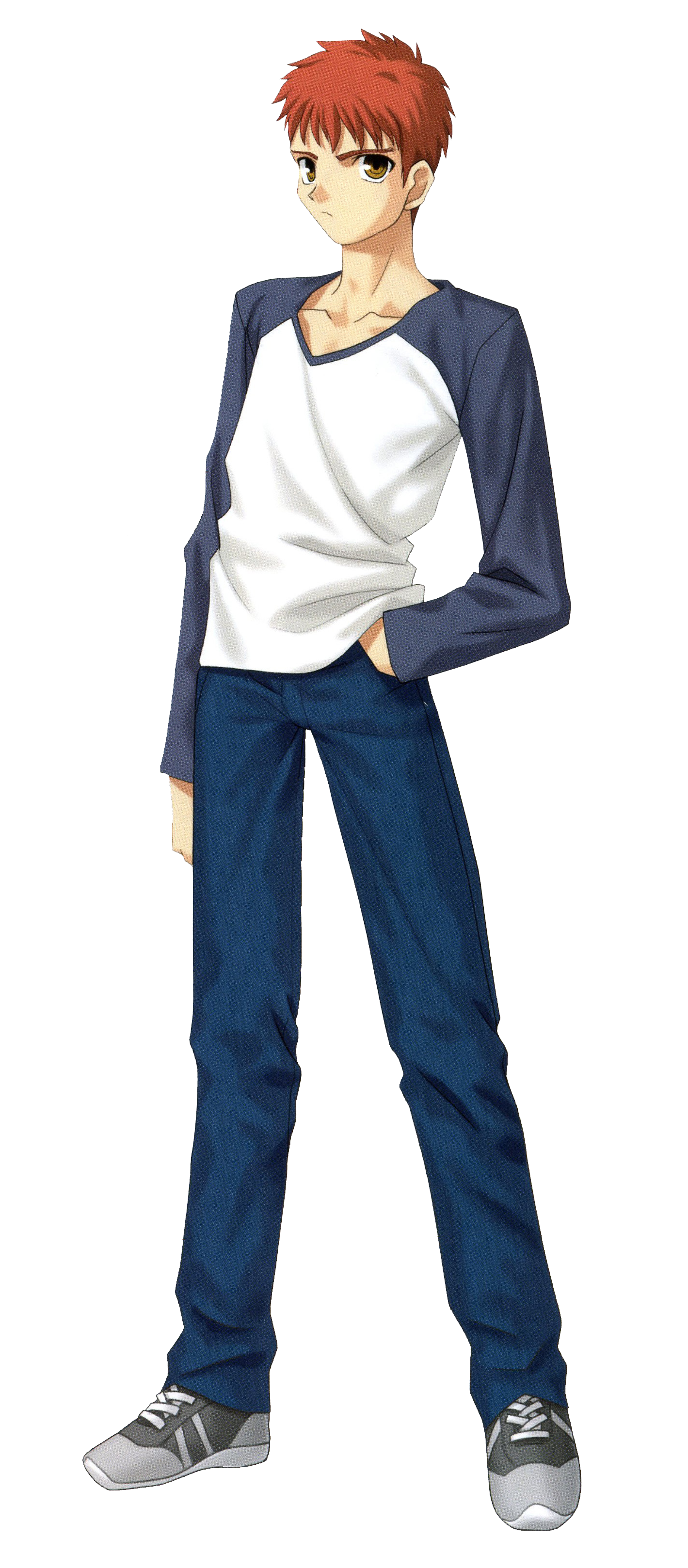
    In Shirou’s case, I will not go on as long since I already wrote a piece on him 
    (http://subjectivelybiasedrants.blogspot.com/2015/06/an-opinion-on-shirou-emiya.html). His abnormality as a person however only gains real emphasis in UBW while it is understated in the Fate route (and its resolution is rather subtle which I have no issues with). Only in Heaven’s Feel however does the reader see the extent of his abnormality and the dangers of such an abnormality on a person with another character with a similar abnormality being portrayed as a contrast. The only way for the reader to see any of this characterisation though is to go through all the routes and pick them up rather than having this characterisation be properly woven through the narrative (though the argument for this is to create differing levels of darker storylines with each route escalating which I can concede to at times). Seeing as Shirou’s character is essential to the visual novel as a whole, it would be a disservice to not provide a better portrayal of Shirou’s abnormality as a person while still choosing a resolution to his character based on the adapted route. Leaving out key monologues is one way to hurt such characterisation (as Miura has already done to the UBW anime for ‘visual’ story-telling) and only with all the routes together can one truly see Shirou’s character as a whole.

    http://vignette1.wikia.nocookie.net/typemoon/images/a/aa/Kotomine_kirei.png/revision/latest?cb=20141019084245
    Tied together with Shirou is Kirei Kotomine, the mapo tofu priest with such a rich crispy voice who serves as a major antagonist in each route though with decreasing degrees of significance (with Heaven’s Feel making him a personal friendly nemesis to Shirou). Once again, character traits of Kirei are left out of each route and only revealed through playing each route. The Fate route makes him into a malicious opponent and partner of Gilgamesh who attempts to allow the Grail to form. Only on his death does he hint at his involvement with the death of Rin’s father with a remark on the Azoth dagger. As for the UBW route, Kirei, still a partner of Gil, reveals his direct involvement with the death of Rin’s father as his murderer while still being a malicious individual who ends up being killed off in an unceremonious manner (which I may add, does not provide a resolution from his story carried over from Fate/Zero so ‘nice’ job there ufotable). It is the Heaven’s Feel route that reveals the most of his character with his love of mapo tofu as a particularly hilarious revelation. The most significant revelation however appears through Shirou’s interactions with Kirei (that indicates the type of person Kirei thought Kiritsugu Emiya, Shirou’s stepfather, was) and Shirou’s monologue in their final clash: That they are the same. Both of them are twisted individuals as neither of them are able to derive pleasure or joy properly. With Shirou, he can only feel any form of pleasure through aiding others (to the point where he has no care for himself) while Kirei can only derive pleasure through the suffering of others. This similarity marks Kirei as a darker counterpart to Shirou as two twisted individuals who have different motivations that drive them to their actions. In the Heaven’s Feel route, this inevitably leads to their final clash as two twisted individuals duke it out before the Greater Grail (or rather a heart-transplant patient attempts to curb-stomp a porcupine). While Fate/Zero does show this aspect of Kirei, the original visual novel only showcase Kirei’s twisted personality in the Heaven’s Feel route which leaves out such an interesting characterisation from the other routes. This makes adapting difficult especially if a story is carried over from Fate/Zero that leaves out such a characterisation thus preventing a satisfying conclusion to his tale of villainy.
    https://upload.wikimedia.org/wikipedia/en/6/6d/TheHeroWithAThousandFaces.jpg
    As for ideas explored, two come to mind: the idea of a hero and the deconstruction of the shounen protagonist. Now before I proceed, I will say that I do like how well explored these ideas are in the Fate/Stay Night visual novel and that separating the way these ideas are explored into several routes that deconstruct and/or reconstruct aforesaid ideas was a brilliant method to bring the ideas across. The problem comes when adapting singular routes into an adaptation. While each route carries over one perspective of those ideas with enough depth to stand on its own, the quality is diminished somewhat without the perspectives from the other routes. Shirou’s resolve to be a Hero of Justice in the Fate route is not as significant to me without the Heaven’s Feel route showcasing a Shirou that abandons his ideas of heroism for a single person while the UBW route showcases the potential that each Shirou possesses. Without additional route to put things into perspective, Shirou’s growth in power and his motivations wind up looking like a typical shounen protagonist with plot-assisted power-ups with no proper build-up. With separate routes, further insight into each idea is given.
    http://vignette2.wikia.nocookie.net/typemoon/images/9/94/Hillofswords.jpg/revision/latest?cb=20130501231022
    In the Fate route, Shirou remains true to his ideals as a hero with enough healthy amendments (such as accepting his failings to motivate him to protect those he can protect, sort of like “Mourn the lost but remember the living.”) to the initial idea to allow him to become a hero worthy of Avalon, showcasing the role of resolve and purpose to an ideal hero. The UBW route showcases the dangers of becoming obsessed with such an ideal especially when it is borrowed by another but Shirou ultimately accepts these flaws by recalling the intentions behind borrowing such an ideal and amends the idea again, rebuilding his resolve to be a hero but also being aware of such dangers that will allow him to sheathe his swords when it is time to stop. The Heaven’s Feel route deconstructs the idea of a hero entirely as Shirou, faced with a moral dilemma with a personal stake in it, chooses to abandon such ideals to protect Sakura who he comes to care for, removing him as an ideal hero but making him more relatable. As a whole, this idea is thoroughly explored by the visual novel which elevates the quality of the writing to a higher degree whereas a sole adaptation of a route reduces the quality by reducing the exploration of such ideas. This is why visual novel readers of Fate/Stay Night like myself will always advise newcomers to read the visual novel first.
    http://www.greenstreetinc.com/wp-content/uploads/2014/10/deconstruct.jpg
    and http://www.greenstreetinc.com/benefits-deconstruction/
    With regard to the deconstruction, each route handles the deconstruction well on their own. Sheer heroic resolve, brash courage, excessive helpfulness, determination, over-protectiveness of a love interest and the desire to simply be a hero often backfires painfully or have unintended consequences. In the Fate route, Shirou’s over-protective instincts towards Saber hinders him at times while being overly courageous will lead to plenty of Bad Ends. In the UBW route, Shirou’s helpful ways are called out on as it highlights a fatal flaw in his character based around his unhealthy desire to be a hero that becomes the crux of the route’s climax. The Heaven’s Feel route highlights the dangers of determination and being over-protective of a love interest whereby Shirou loses a limb, suffers severe mental damage and eventually is mutilated by the UBW overwhelming his body as he strives to save Sakura (though it does make for an inspiring moment where he strives to save Sakura despite having no memory of her as though the only thing keeping him going is that desire to save the one he loves). The extent and impact of Fate’s deconstruction can only be comprehended through playing all the routes which cannot be done whenever an anime adapts a single route, diminishing the deconstruction of the shounen protagonist that the series is known for.

  4. Overall, the problem on Fate relying on exposition from each route is that the routes by themselves do not hold up. Necessary plot points, characterization and ideas will be left out or not explored thorougly if the routes are solely adapted like ufotable’s UBW adaptation. While the perceptive may be able to pick up points, these points may not have the amount of exploration that the visual novel provided through three separate routes. Deen’s Fate anime however showcases the dangers of incorporating elements from each route into a single show haphazardly though with certain plot points being raised and dropped as quickly as an unwanted bell-end piercing. I do believe that Deen had the right idea though contrary to popular belief. The three routes of Fate/Stay Night are incomplete on their own and require elements of each when an adaptation is made. Having these elements in a route can be risky but done right, it can provide a complete package that showcases Fate at its best. For instance, keep the Fate route’s elements in UBW so that Saber’s development in the Fate route has a proper conclusion (especially if the adaptation is supposed to piggyback off Fate/Zero which would fill in some gaps with Ilya’s character at least). For the upcoming Heaven’s Feel, emphasis probably needs to be placed on Shirou’s intimacy with Saber (not to the point of romance since it is Sakura’s route but having intimacy that approaches the Fate route) to ensure that there is impact when Saber is taken by the Shadow and turned into Saber Alter while Rin needs to have greater presence similar to UBW to build up her repressed sisterly love for (spoiler alert) Sakura (perhaps with additional scenes between the two with Rin’s internal monologue subtly hinting at this).
Conclusion:
When a Fate anime receives a poor reception (or has flaws in it) some of these flaws are a result of adapting an eroge with multiple routes that require knowledge from each route to maximise one’s understanding of Fate/Stay Night. This long post of mine may not be accurate or can be countered with explanations by the creators of the franchise but like the name in this blog’s link, this entire post is subjectively biased. These points are things to keep in mind whenever the reader sees someone complaining about the visual novel adaptations as the visual novels had a lot of depth and complexity to them. An adaptation that does not meet those expectations will face criticism especially when it is evident that too little effort is placed into making the final product. My disdain for ufotable’s UBW, as I have said before, comes from the fact that Fate/Zero was good. This meant that ufotable could have made a great adaptation if they had tried harder with a better director and better decisions which makes it disappointing (a worse outcome than simply being a bad product).
For those who wish to disregard everything I just said out of sheer fanboyism, go ahead. This should not even affect those readers (unless I triggered some supressed thought that nags at you constantly and forces you to become defensive whenever someone criticises your ‘beloved’ work). For the rest, this is just an opinion to consider.

Now if you’ll excuse me, I will face-palm at the fact that Kabaneri so far is nothing more than an Attack on Titan (which was rather dull anyways) clone with glowing zombies and steampunk trains in it. At least there is Sakamoto, Kuma Miko, Re:Zero and Stray Dogs to continue glancing at.

‘Oh, and Ragnastrike Angels because nothing amounts to anime of the decade except for a thirty second long advertisement clip for a mobile game I will never look at.’


P.S: Eagerly anticipating Blood and Wine.

Friday, April 1, 2016

A beard

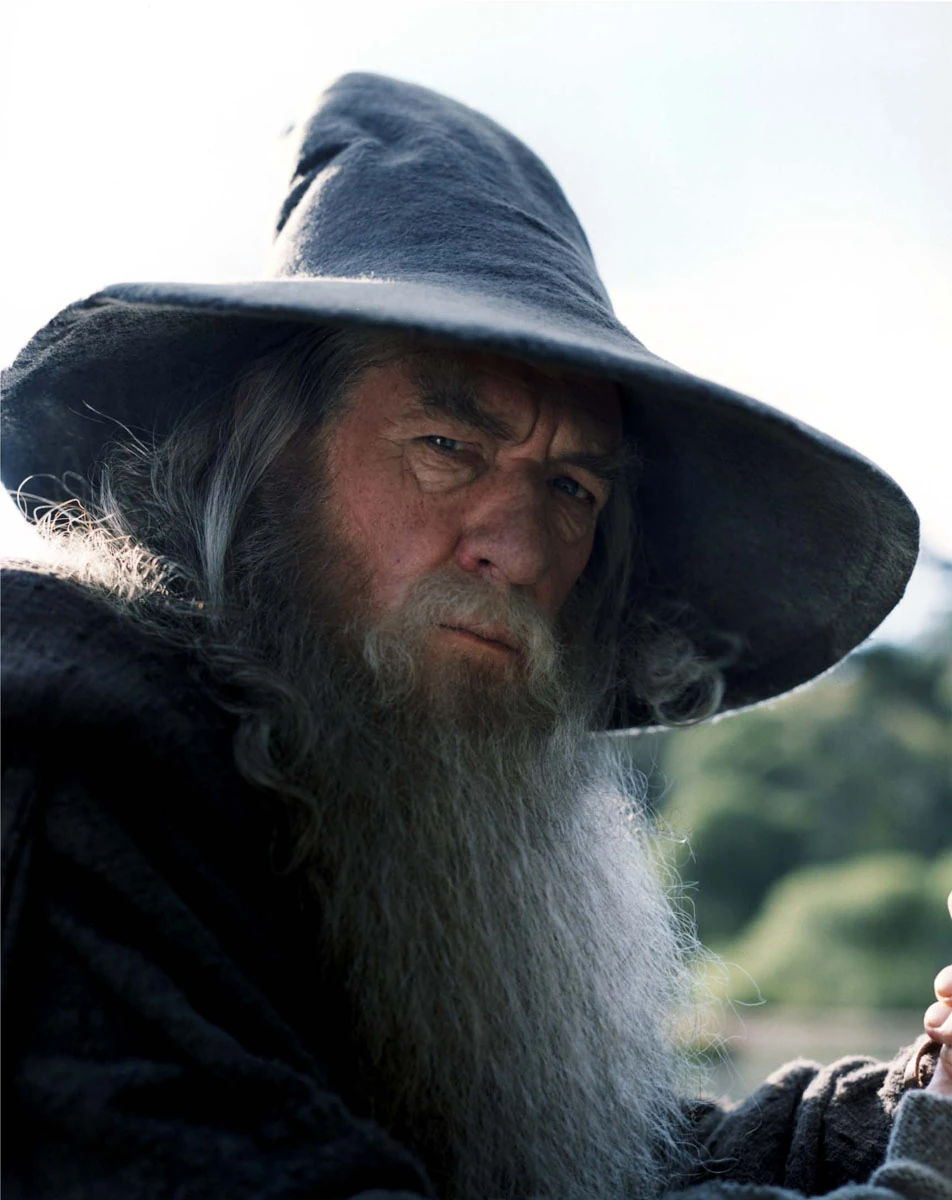
This is an odd topic to write about. Mainly because my own facial hair resembles a prepubescent goatee rather than any facial hair worth writing home about. Fictional materials however have used the beard for a variety of reasons, whether it is to make a character seem mature, wise epic or to hide the artist's inability to draw a good chin. So let's GROW A BEARD together since it makes life easier.
http://vignette2.wikia.nocookie.net/lotr/images/e/e7/Gandalf_the_Grey.jpg/revision/latest?cb=20121110131754

So let's talk about beards.

Beards are quite useful in cold weather where the extra layer of hair can protect the face from the cold air. To contrast this, beards can be irritating especially when eating food with some from of liquid topping that can cover the facial hair (even worse if the beard is part of a goatee). THEN AGAIN, a long beard can be used for storing small items. Thus, the reader should GROW A BEARD!


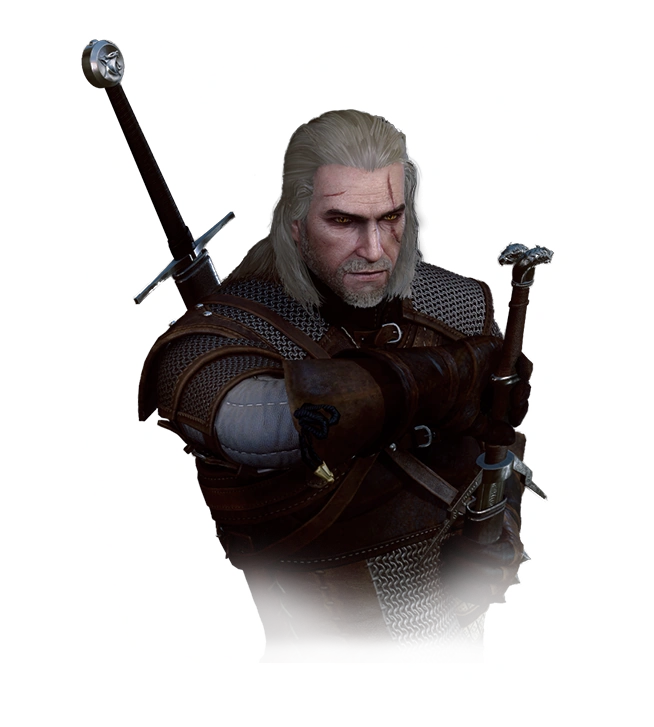
http://vignette3.wikia.nocookie.net/witcher/images/b/b9/Tw3_geralt_journal.png/revision/latest?cb=20160321140042
Some beards can be used to show off experience. In the above's case; Geralt having traveled the land, hunting monsters for a living, barely has anytime to shave properly resulting in a decent amount of facial hair. A world weary traveller or an experienced wanderer could be marked either with a large amount of scars and/or a decent beard. A subversion is where a charlatan makes use of their appearance to look experienced in order to exploit others for money or whatever strikes their fancy. So grow a beard to look experienced BUT be sure to let people know, you grew it for the experience.


http://vignette1.wikia.nocookie.net/harrypotter/images/e/ee/Rubeushagrid.PNG/revision/latest?cb=20090730174208
On the other hand, a beard could indicate unpleasantness, especially if the person with such beard constantly has a dirty beard with food stuck in between. It can be used to remind people that this person is not a role-model while the other person with the trimmed beard is. It could also be used to show how rugged they are or show that beneath that dirty untrimmed mess lies a person with a heart of gold making the poor first impression nothing more than a superficial critique, critiques like the first sentence of this paragraph. So in a nutshell, I am a bad person for not having a beard to understand these people. So to avoid being bad, GROW A BEARD!

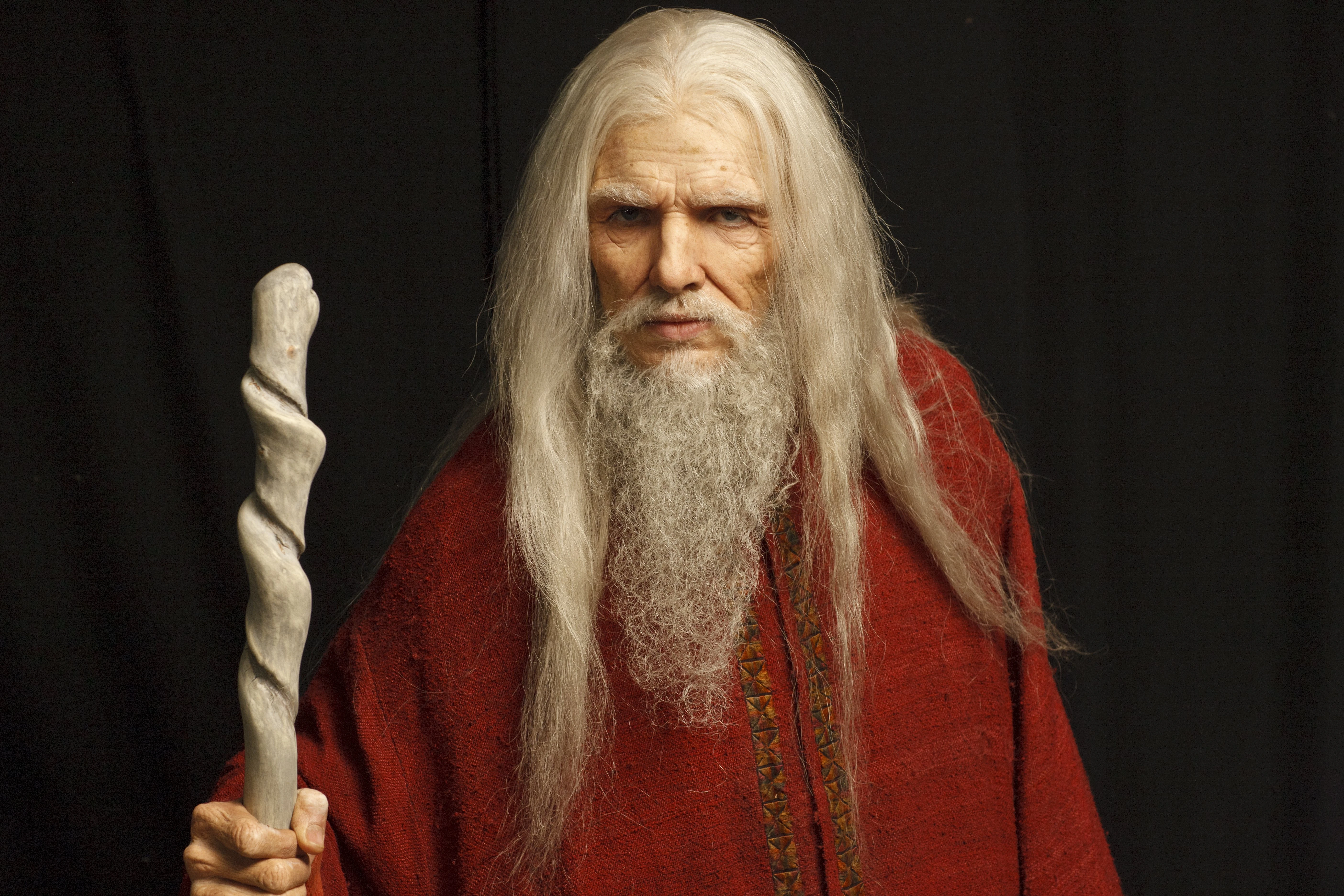
http://vignette3.wikia.nocookie.net/merlin1/images/3/33/Old-Merlin_series4promo.jpg/revision/latest?cb=20120211004021
Extremely long beards have a story of their own. They either indicate wisdom beyond their years like with wizards or that they did not have access to a shaving blade for years and have reached the point where they require scissors instead. The long bearded wise individual in popular culture probably started with Merlin (I am working with what I remember, not what I look up) so it could actually be a case of both working in tandem; the wise and powerful trickster wizard probably needed some kind of super-razor to shave his magical beard. So to become wise, GROW A BEARD! It will make you into a mix of Odin and Loki with twice the hotness!

There are more ways to use a beard but if I list them all, I'll just be spoiling the surprise. So, go forth and discover every use for a beard. I have found several so far, most of them irritating but those with longer beards may discover more. So to find out more, GROW A BEARD!

From this extremely short post, the reader now knows why one should GROW A BEARD even if they are of another gender, race, religion etc. They are functional and can be used to let people know of your personality. Even if the reader cannot grow one, the reader can attempt to. So beards, go forth and multiply! Subjugate humanity if you must!

Happy April Fools reader.